
Whether you live near Whitemarsh Park or closer to the shops of Bowie Town Center, your daily comfort depends on a reliable supply of hot water. Grove Heating & Cooling helps homeowners across Bowie, MD, extend the life of their water heaters—both tank and tankless—with expert water heater maintenance services that put your comfort, safety, and savings first.
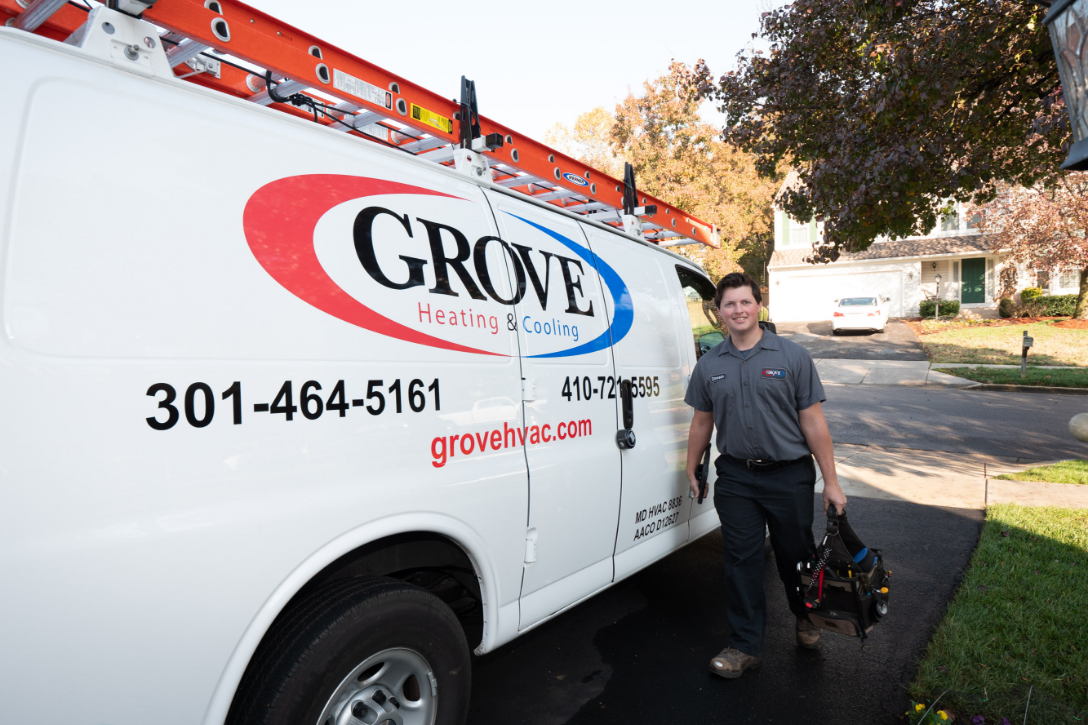
We’re not a big-box company; we’re your neighbors. Our team understands the unique water quality and heating challenges Bowie homeowners face. Whether you live in a newer home in Northridge or an older colonial near the historic Belair Mansion, we match our service to your system and situation.
Here’s what makes Grove different:
From our first knock at your door to the moment your system is running smoothly again, our goal is to make the experience stress-free and dependable.
From hot showers and clean dishes to laundry and handwashing, your water heater makes everyday living possible. Without regular maintenance, both traditional tank and tankless systems can become less efficient, more prone to breakdowns, and costlier to operate.
Here’s what water heater maintenance in Bowie, MD, can help you do:
When Grove Heating & Cooling handles your water heater maintenance, you can rest easy knowing your system is in experienced hands.
The best time to schedule maintenance is before there’s a problem. At Grove Heating & Cooling, we recommend the following:
Think of it like your car—regular oil changes prevent breakdowns. Water heater maintenance works the same way. If you’re not sure when your system was last serviced, we’ll come out and give you an honest, thorough evaluation.
Whether you rely on a traditional tank model tucked away in your basement or a modern tankless unit mounted neatly on a utility room wall, each system requires a different kind of care to run at peak performance. At Grove Heating & Cooling, we know the ins and outs of both types of systems, and the maintenance they require. Here’s how we keep both tank and tankless systems running like new.
Tank systems are popular in many Bowie homes thanks to their reliability and affordability. But they’re also prone to sediment buildup from Bowie’s mineral-rich water supply.
Our tank water heater maintenance service includes:
This kind of care ensures your water heater remains efficient, safe, and ready to handle your household’s daily needs.
If your Bowie home near Pointer Ridge or Meadowbrook boasts a tankless water heater, you already know how great endless hot water feels. But even tankless systems need upkeep, especially when it comes to scale buildup.
Our tankless maintenance includes:
Tankless units are high-efficiency systems, and regular servicing helps maintain that efficiency year after year.
Whether you have a traditional tank in your garage or a sleek tankless unit tucked behind a utility closet, Grove Heating & Cooling is here to keep your hot water flowing smoothly.
Call us today or schedule online to book your maintenance visit. Let’s make sure your water heater works reliably, efficiently, and worry-free.
When Maryland summers crank up the heat and humidity, there’s no time to wait around if your air conditioning system fails. Local homeowners count on Grove Heating & Cooling for fast, reliable, and expert emergency AC repair services in Bowie, MD.
It doesn’t matter if your system shuts down in the middle of a steamy July night or during a Saturday afternoon cookout in Meadowbrook—we’re here with 24-hour AC repair to restore your cooling and keep you comfortable.
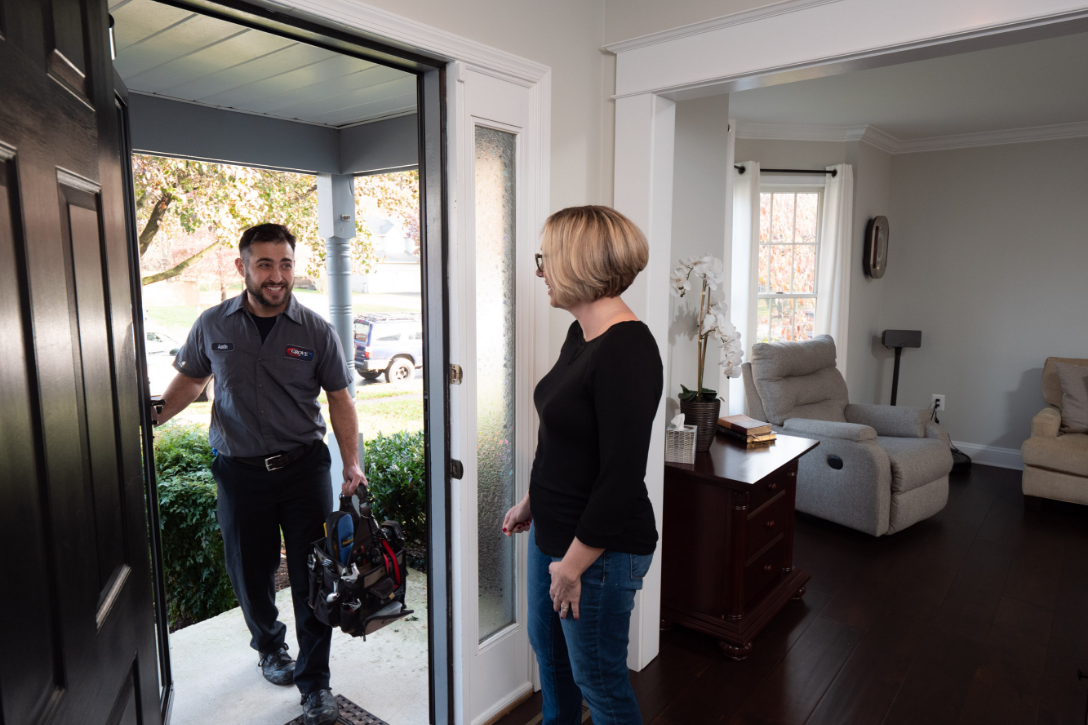
When it comes to emergency AC repair in Bowie, MD, you have choices—but here’s why more local residents trust Grove Heating & Cooling:
Grove Heating & Cooling is proud to serve every corner of Bowie. Whether you’re cooling a colonial near Tulip Grove Elementary or a home near Bowie Town Center, you can count on us to deliver fast and friendly emergency air conditioning repair when you need it most.
Bowie’s climate may be beautiful, but high heat and sticky humidity are especially common in the summer months. A broken air conditioner is obviously uncomfortable, but did you know it can also become a safety concern for seniors, young children, and pets?
Our team understands the urgency of your situation. That’s why we offer emergency air conditioning repair 24/7 throughout Bowie, including neighborhoods like Saddlebrook West, Fairwood, and Northridge. Whether you live near Allen Pond Park or just off Route 450, we’ll be on our way—fast.
If you’re not sure whether you need emergency AC repair, here are a few signs that mean it’s time to call us immediately:
If it’s causing discomfort or potential damage to your home, don’t wait—call Grove Heating & Cooling right away.
At Grove Heating & Cooling, we know that HVAC problems don’t wait for business hours. That’s why our licensed technicians are standing by around the clock to answer your call. Our 24-hour AC repair services in Bowie, MD, deliver rapid response and long-lasting results.
We bring the tools, parts, and knowledge needed to fix your system in a single visit whenever possible. From compressor failures to refrigerant leaks, broken thermostats to frozen evaporator coils, our trained techs are equipped to handle it all—day or night.
We treat every emergency call as a priority. When you call Grove Heating & Cooling for emergency AC repair in Bowie, here’s what you can expect:
While we’re always here when your AC breaks down, the best way to avoid the stress of a cooling emergency is regular maintenance. Grove Heating & Cooling offers seasonal tune-ups and service plans designed to catch small issues before they become big problems.
Ask us about scheduling routine maintenance or enrolling in a service plan that includes regular AC tune ups, discounts, priority service, and additional benefits that come in handy during those muggy Bowie summers.
Don’t suffer through the heat or risk costly damage to your home. Grove Heating & Cooling is your go-to source for fast, affordable emergency AC repair in Bowie, MD. Whether it’s the middle of the night or a holiday weekend, we’re ready to help you take back your comfort.
Call us anytime, 24/7, for immediate service. One of our expert technicians will be on the way, fully equipped and ready to get your home cool and comfortable again.
If you’re a homeowner in Annapolis, MD, you’ve likely heard the term “hard water” thrown around, especially when talking about plumbing or water heaters. But what exactly is hard water, and how does it impact the performance and lifespan of your water heater? At Grove Heating & Cooling, we’re here to break it down for you and help you protect your investment.
Hard water is water that contains high levels of dissolved minerals: Primarily, it’s dissolved calcium and magnesium concentrations. While these minerals aren’t harmful to your health, they can wreak havoc on your plumbing system and water-using appliances over time.
Water hardness is measured in grains per gallon (GPG). According to the U.S. Geological Survey, water is considered:
In Maryland, and particularly in Anne Arundel County, local water supplies are known to be moderately hard. Annapolis gets its water from local groundwater sources and city treatment plants, both of which contain significant mineral content due to the regional geology.
Water hardness affects many things throughout your home, from the way your drinking water tastes to soap scum on surfaces and difficulty washing clothes. Water heaters are particularly vulnerable to the effects of hard water. Let’s look at the key ways hard water impacts both tank and tankless water heaters in Annapolis homes.
In traditional tank-style gas, electric, or heat pump water heaters, water is stored and heated in a large reservoir. When hard water is constantly flowing into this tank, the minerals in the water begin to settle and harden at the bottom. This creates a thick layer of mineral deposits (also called sediment), which can lead to:
Tankless water heaters heat water on demand, but that doesn’t make them immune to hard water issues. In fact, they’re often even more sensitive. Here’s how hard water affects tankless water heaters:
As scale builds up, your water heater loses its efficiency. In tank models, sediment can take up physical space inside the tank, reducing how much hot water is actually available for use. With tankless units, reduced flow rate due to scaling means you may experience weaker water pressure or longer wait times for hot water.
A water heater exposed to high concentrations of dissolved calcium and magnesium often makes popping, banging, or rumbling noises due to mineral deposits. This is especially true in gas-powered tank heaters where the sediment layer traps steam bubbles. These noises are not just annoying—they’re warning signs that your system is suffering from hard water damage.
Hard water means you’ll need to flush your tank more often (at least once every six months) and schedule professional descaling for tankless models. Without this added maintenance, you’re looking at increased wear and tear, more frequent water heater repair, and a much shorter unit lifespan overall.
Keep an eye out for these common symptoms:
If you notice one or more of these signs, it’s time to take action.
Fortunately, there are several solutions to minimize the effects of hard water on your water heater.
The most effective solution is to install a whole-home water softener. These systems use ion exchange to remove calcium carbonate and magnesium ions from your water supply before it reaches your appliances, so that soft water is delivered throughout your home. This not only protects your water heater but also extends the life of your dishwasher, washing machine, and plumbing fixtures.
For homeowners with tank-style water heaters, we recommend flushing the tank every 6 months in areas like Annapolis where hard water is a known issue. This removes accumulated sediment and helps your unit run more efficiently.
Whether you have a tank or tankless model, regular professional maintenance is essential. At Grove Heating & Cooling, we offer comprehensive water heater tune-ups that include descaling, system checks, and performance testing.
Many tankless water heaters can be descaled using a special pump and vinegar or a descaling solution. We recommend having this done at least once a year, or more often if your water is extremely hard.
Don’t let Annapolis’ hard water drain the life from your water heater. Contact Grove Heating & Cooling today to schedule an inspection, maintenance appointment, or a consultation for a water heater upgrade.
As a local HVAC and plumbing expert in Annapolis, Grove Heating & Cooling understands the unique challenges posed by the region’s hard water. Our team of certified technicians specializes in water heater installation, repair, maintenance, and system protection. We help homeowners choose gas and electric water heaters that can better withstand mineral buildup for long-lasting reliability.
At Grove Heating & Cooling, we’re proud to offer some of the most trusted air conditioning systems in the business. When it comes to quality, Trane is a name we stand behind. Known for exceptional engineering, long-term durability, and energy-efficient performance, Trane air conditioners can meet just about any comfort need and budget for air conditioning installation.
If you’re considering a new cooling system and wondering which Trane model is right for your home, we’re here to help. Below, we compare Trane’s most popular models and explain which situations each one is best suited for.
Trane air conditioners are built to last. They’re rigorously tested to withstand extreme weather, and most models include advanced features like corrosion-resistant coils and quiet fan motors. As a certified Trane dealer, Grove Heating & Cooling has installed these systems all over Maryland and we’ve seen firsthand how well they perform in homes of all shapes and sizes.
In short: if you’re looking for the best air conditioners in the HVAC industry that deliver consistent performance, low noise levels, and better indoor air quality, Trane is a smart investment.
Trane’s air conditioners fall into three general tiers:
These single-stage units are Trane’s most budget-friendly air conditioners. They operate at full power every time they run, which makes them simple and reliable, but they don’t offer the high SEER2 ratings (seasonal energy efficiency ratio) or humidity control as higher-tier AC units.
These models are ideal for smaller homes, rental properties, or homeowners who plan to move in the near future and want a dependable cooling system at an affordable price point.
The Trane XR16 and XL17i are two-stage air conditioners that can operate at 70% capacity most of the time—and ramp up when outdoor temps soar. That means quieter operation, better humidity control, and more even temperatures throughout your home.
Two-stage air conditioners are a great middle ground. If you’re looking to cut energy costs and reduce hot and cold spots in your home but don’t want to invest in a top-tier system, these models deliver a great return on comfort and efficiency.
If you want the ultimate in home comfort, Trane’s TruComfort variable-speed models are hard to beat. With high efficiency ratings, these air conditioners use Trane’s Climatuff™ variable-speed compressor, which can adjust its output in tiny increments based on real-time cooling needs. The result? Whisper-quiet operation, precise temperature control, and less energy use.
These Trane air conditioners are perfect for large homes, households with allergy concerns, or anyone who simply wants to invest in long-term energy savings and comfort. The XV20i, in particular, is a favorite among our customers who want top-tier control over their HVAC system.
Choosing the right Trane air conditioner is about more than just SEER ratings and features. You also need to consider your lifestyle, your home’s size, and your long-term goals.
Here are a few things to think about:
We know that shopping for a new air conditioner can feel overwhelming. That’s why Grove Heating & Cooling is here to help you compare options, understand installation costs, and find the right Trane products for your unique needs. We’ll make the entire process smooth, from your free estimate to final walkthrough.
Ready to take the next step? Contact Grove Heating & Cooling today for expert AC installation, honest advice, and top-rated Trane air conditioners.
Your home should be a place of comfort, especially during the sweltering summer months in Bowie, MD. If your air conditioner suddenly stops cooling and you’re left with nothing but warm air, frustration sets in fast. One of the most common culprits? A failing AC compressor. When it breaks down, your air conditioner won’t be able to keep you cool, and you’re left searching for a solution.
That’s where we come in. At Grove Heating & Cooling, we help Bowie homeowners understand when an AC compressor needs to be replaced and why it’s a job best left to the professionals. While DIY repairs might seem like a way to save money, replacing an AC compressor is complex, requires specialized tools, and involves handling refrigerant—which is both dangerous and regulated.
When our technicians replace an AC compressor in Bowie, MD, you can trust that the job is done safely, efficiently, and correctly so your home stays cool without the risk of additional damage or costly mistakes.
Your AC compressor is the powerhouse behind your cooling system, so when it starts to fail, your home won’t stay comfortable for long. But how do you know if the compressor is the real issue? Here are the most common warning signs of a failing AC compressor and what you should do next.
If your air conditioner is running, but only warm air is coming from the vents, the compressor may not be circulating refrigerant. Before jumping to conclusions, check your thermostat settings and air filter. If those are fine, it’s time to call a professional for a deeper inspection.
Loud clanking, rattling, or grinding noises from your outdoor AC unit can indicate internal compressor damage. A failing compressor might struggle to start or make unusual humming sounds as it tries to run. These noises should never be ignored, as continued use can lead to more costly air conditioning repairs.
A sluggish AC system that struggles to maintain your desired temperature could mean the compressor is losing efficiency. If your system runs for longer periods without effectively cooling your home, it may be a sign that the compressor is wearing out.
Does your AC unit keep tripping the breaker? An overworked or failing compressor can draw too much power, which may result in electrical issues. If resetting the breaker doesn’t solve the problem, turn off your AC unit and call a technician immediately to prevent further damage.
Leaks around your outdoor unit or visible damage to the compressor could indicate a refrigerant issue. Since refrigerant is critical for cooling and must be handled by a licensed professional, this is a clear sign that it’s time for expert help.
If you notice any of these warning signs, don’t wait until your AC completely shuts down. Compressor issues don’t fix themselves, and delaying repairs can lead to a full system failure.
At Grove Heating & Cooling, we make sure Bowie homeowners get the right solution for their cooling needs. Whether it’s a repair, an AC compressor replacement, or a full system upgrade, our team is here to restore your comfort quickly and efficiently.
Replacing an AC compressor is a precise job that requires expertise, specialized tools, and strict adherence to safety protocols. At Grove Heating & Cooling, we follow a structured process to ensure your new compressor is installed correctly and your cooling system is restored efficiently.Once we confirm that the compressor is the source of your cooling issues and it needs to be replaced, here’s what we do:
Since refrigerant is a regulated substance, it must be handled properly. We use professional-grade recovery equipment to safely remove the refrigerant from your system, preventing leaks and environmental hazards.
Once the refrigerant is recovered, we disconnect the power to the system, remove the electrical connections, and remove the faulty compressor from the system. We also inspect surrounding components like the condenser coils and expansion valve for any signs of wear or damage.
We carefully mount the new compressor and make sure all connections are properly aligned and secured. The refrigerant lines, electrical wiring, and mounting bolts are all carefully reconnected to avoid future performance issues.
Next, we use a vacuum pump to remove any moisture or air from the system before recharging it with the correct type and amount of refrigerant. This step ensures optimal cooling efficiency and prevents future issues.
Before completing the job, we run the AC system through a series of tests to confirm the new compressor functions correctly. We check for leaks, measure refrigerant pressure, and verify that your system is cooling efficiently.
A failing AC compressor can leave your home feeling hot and uncomfortable, but you don’t have to deal with it alone. At Grove Heating & Cooling, we provide expert AC compressor replacement and air conditioning repair services to keep your home cool and comfortable all summer long. Our licensed technicians have the skills, tools, and experience to diagnose your AC issues and restore your system’s efficiency safely and effectively.
Don’t wait until your AC completely breaks down—contact Grove Heating & Cooling today for professional air conditioning repair in Bowie, MD. We’ll help you get back to cool, reliable comfort in no time!
A broken air conditioner in the middle of a hot Columbia, MD, summer is something no homeowner wants to face. If your AC is running but not cooling, making strange noises, or refusing to turn on at all, the AC compressor may be failing. When it stops working, so does your cooling.
A faulty compressor doesn’t just leave you uncomfortable; it can drive up energy bills and cause further damage if not addressed quickly. While some homeowners wonder if they can replace an AC compressor themselves, this job requires specialized tools, refrigerant handling, and precise installation to ensure the system runs efficiently. That’s where we come in.
Grove Heating & Cooling’s skilled HVAC technicians assess your AC system, confirm whether the compressor truly needs replacing, and install a new one with precision. We’ll make sure your system is properly recharged, calibrated, and ready to keep your home cool again. Whether your compressor failed due to age, overheating, or electrical issues, we’ll provide a long-lasting fix.
Ready to restore your AC? Let’s walk through the steps to replace an AC compressor so you know what to expect if this is the air conditioning repair you need in Columbia, MD.

When your AC compressor fails, your cooling system can’t do its job. As the core of your air conditioner, the compressor is responsible for pressurizing and circulating refrigerant to absorb heat and keep your home comfortable. If it malfunctions, you’ll likely notice warm air blowing from your vents, loud noises coming from the unit, or even complete system failure.
Before jumping to an AC compressor replacement, we perform a comprehensive diagnostic process to confirm whether the compressor is truly the issue or if another component is causing your AC to malfunction. Here’s how we determine if your compressor needs to be replaced:
We begin by inspecting the outdoor condenser unit for signs of physical damage, refrigerant leaks, burnt wiring, or oil spots that could indicate a failing compressor. If the compressor appears to have overheated or is covered in soot, it may have suffered from an electrical failure.
The compressor relies on several electrical components to function properly. We test the:
If any of these components are the root cause of the problem, replacing them can restore your AC without the need for a costly compressor replacement.
Since the compressor’s job is to circulate refrigerant, low refrigerant levels can cause it to overwork and eventually fail. We use specialized gauges to check pressure levels. If refrigerant is low, we inspect for leaks before making any decisions. A compressor that has been running with insufficient refrigerant may have sustained internal damage.
In some cases, a compressor may struggle to start due to weak electrical components rather than total failure. We may attempt a hard start to give the compressor an extra boost. If it starts and runs normally, a replacement may not be necessary.
Even if the compressor is failing, we consider the overall age and efficiency of your AC unit. If your system is over 10-15 years old, replacing the entire AC unit may be more cost-effective than replacing just the compressor.
If we confirm that the compressor is beyond repair, we’ll explain your options and move forward with a professional replacement. If another issue is at fault, we’ll provide solutions to restore your cooling system efficiently.
At Grove Heating & Cooling, we make sure you’re getting the right fix—not just an expensive replacement. If your AC isn’t working properly, let us diagnose the issue and get your home cool again!
At Grove Heating & Cooling, we take the stress out of AC compressor replacement. Our expert technicians handle everything from diagnosing the problem to installing a high-quality replacement, ensuring your system runs efficiently for years to come. Here’s what you can expect from our professional AC compressor replacement service:
Not all AC compressors are the same. We ensure your new compressor is compatible with your existing system, matches the correct refrigerant type, and is properly sized for your home’s cooling needs. Our goal is to provide a replacement that enhances efficiency and extends the life of your AC unit.
Before installation, we power down the system and carefully recover any remaining refrigerant. We then disconnect the faulty compressor and inspect the surrounding components to verify there are no other hidden issues that could affect your new compressor.
Once we’ve prepped the system, we install the new compressor with precision. We secure all connections, replace any necessary components like filter driers or expansion valves, and make sure the system is properly sealed.
After installation, we recharge the system with the correct amount of refrigerant and conduct a series of performance tests. We check for leaks, calibrate pressure levels, and verify that your AC is cooling efficiently.
Before we finish the job, we’ll walk you through everything we’ve done, explain how to maintain your system and answer any questions. We leave your home just as we found it—except now, you’ll have a fully functioning air conditioner ready to keep you comfortable.
If your air conditioner isn’t keeping your home cool, don’t wait for the problem to get worse. A failing compressor can lead to higher energy bills, poor cooling performance, and even complete system failure if left unaddressed.
At Grove Heating & Cooling, we provide expert AC compressor replacement and air conditioning repair in Columbia, MD. Our experienced technicians will diagnose the issue, offer the best solutions, and restore your comfort quickly. Whether you need a compressor replacement or a new AC unit installed, we’re here to help. Call us today to schedule service and get your air conditioning system back to peak performance!
When your air conditioner stops cooling your home like it should, the compressor might be to blame. When it fails, you’re left with warm air blowing through your vents—definitely not what you want during a hot Arnold, MD, summer.
Replacing an AC compressor is a complex job that requires technical know-how, specialized tools, and following strict safety precautions. The process involves handling refrigerant, electrical components, and heavy equipment, which means it’s not a simple DIY fix for most homeowners. One wrong move could lead to costly damage—or worse, serious injury.
Grove Heating & Cooling’s NATE-certified technicians have the training and experience to safely and efficiently replace an AC compressor in Arnold, MD. Whether your compressor is completely dead, making strange noises, or causing your system to short-cycle, we’re here to help. Keep reading to learn more about the replacement process and why trusting a professional is the best way to keep your AC running smoothly.
When you call us for air conditioning repair in Arnold, MD, we start with a detailed inspection to determine if your AC compressor is truly at fault or if another issue is affecting your system’s performance.
Our technicians begin by checking your system’s airflow, refrigerant levels, and electrical components to rule out common problems like dirty coils, clogged filters, or faulty capacitors—issues that can mimic compressor failure. We also listen for unusual sounds, such as grinding or clicking, which could indicate internal damage.
If the compressor is struggling, we perform an electrical and pressure test to assess whether it’s overheating, failing to start, or unable to maintain proper refrigerant pressure. In some cases, replacing a failing part—like the start relay or contactor—can restore function, saving you from a full replacement. However, if the compressor is completely seized, leaking refrigerant, or drawing excessive amps, AC compressor replacement is likely the best option.
Once we diagnose the issue, we’ll walk you through your options, including whether replacing just the compressor or upgrading your entire system makes the most sense for your home and budget.
Replacing an AC compressor is a precise and technical process that requires professional expertise. Here’s what to expect when we replace your AC compressor in Arnold, MD:
Refrigerant must be safely recovered before removing the old compressor. Using specialized equipment, we extract the existing refrigerant, making sure it is properly contained and disposed of according to EPA guidelines.
Once the refrigerant is removed, we disconnect the electrical wiring, refrigerant lines, and mounting hardware securing the compressor. We carefully remove the old unit to avoid damaging surrounding components.
The new compressor is positioned and secured in place, with all electrical and refrigerant connections properly reattached. We install a new filter drier and expansion valve if needed to provide long-term system performance.
After the new AC compressor is installed, we recharge the system with the correct type and amount of refrigerant so that it can work efficiently.
Once the refrigerant is added, we run the system through a series of tests to confirm the new compressor is installed correctly and is working as it should. We check for proper cooling, airflow, and pressure levels while also inspecting for leaks.
Before we wrap up, we conduct a final inspection and explain the work completed. We also provide maintenance tips to help extend the life of your new compressor and keep your AC running efficiently.
If your AC compressor fails, you might be tempted to tackle the replacement yourself. After all, DIY projects can save money—right? Not in this case. Replacing an AC compressor is a complex, technical job and without the right expertise, a DIY attempt can lead to serious issues, including:
Instead of taking on these risks, trust the experts at Grove Heating & Cooling. Our skilled technicians ensure your AC compressor is replaced correctly, keeping your home cool and your system running efficiently.
At Grove Heating & Cooling, we provide professional AC compressor replacement in Arnold, MD, so that your system is repaired correctly the first time. Our experienced technicians handle everything from diagnostics to installation, so you can enjoy reliable cooling without the stress. Don’t risk costly mistakes—call us today to schedule your air conditioning repair and get your home back to the comfort level you deserve!
Few things are more frustrating than an air conditioner that won’t keep your home cool—especially when the Annapolis heat starts to rise. If your AC unit is running but barely producing cold air, or worse, blowing warm air, the culprit could be a failing compressor. Since the compressor is the heart of your cooling system, a breakdown means your air conditioner can’t do its job.
At Grove Heating & Cooling, our expert technicians specialize in AC compressor replacement, so your system is able to run efficiently again. Whether your compressor has worn out over time or suffered an unexpected failure, we’re here to provide fast, professional service. We’ll diagnose the issue, explain your options, replace the AC compressor, and get your AC system back up and running—so you can enjoy a refreshingly cool home once more.
If your AC isn’t keeping up, don’t wait for the problem to get worse. Contact Grove Heating & Cooling today for expert AC compressor replacement in Annapolis, MD!
Your AC compressor circulates refrigerant through the system. When it starts to fail, your air conditioner won’t work as efficiently—or at all. Here are some signs that your compressor may need to be replaced:
If you’re experiencing any of these problems, it’s time to have your system checked by a professional. Grove Heating & Cooling can diagnose the issue and provide expert AC compressor replacement in Annapolis, MD, to restore your home’s cooling.
When your AC compressor fails, replacing it is a major repair that requires specialized tools, training, and refrigerant handling expertise. While it might be tempting to attempt a DIY fix, this isn’t a project for the average homeowner. AC compressors are complex components, and improper installation can lead to costly damage, inefficient cooling, and even refrigerant leaks that pose environmental and safety risks.
At Grove Heating & Cooling, our expert technicians have the skills and certifications to replace an AC compressor in Annapolis, MD—safely and efficiently. Below, we’ll walk you through the professional process we follow to restore your cooling system’s performance.
Before replacing a compressor, we first verify that it’s the true source of the problem. Our technicians will inspect your AC system, check for electrical issues, assess refrigerant levels, and make sure the problem isn’t a faulty capacitor or other component failure. Once we confirm the compressor is the culprit, we move forward with the replacement.
Since AC systems rely on refrigerant to cool your home, the refrigerant must be removed before we replace an AC compressor. Our team safely removes and stores the refrigerant using industry-approved recovery equipment to prevent leaks and ensure compliance with EPA regulations.
Next, we disconnect the old compressor by carefully detaching electrical connections, refrigerant lines, and mounting bolts. Since compressors are heavy and integrated into the outdoor unit, this step requires precision to avoid damage to surrounding components.
Once the old compressor is out, we install the new one and make sure all connections are secure. We also replace any other necessary components to protect the system from future issues.
After AC compressor installation, we recharge the system with the correct type and amount of refrigerant. This allows your air conditioner to deliver efficient cooling and prevent strain on the new compressor.
Before finishing up, we run a full system test to verify proper operation. We check pressure levels, look for refrigerant leaks, and make sure your AC unit is cooling effectively. Once we confirm everything is functioning as it should, we complete the job and restore comfort to your home.
Replacing an AC compressor isn’t a DIY-friendly repair, but with Grove Heating & Cooling, you’re in expert hands. Our team will handle the entire process with professionalism and care, ensuring your home stays cool and comfortable. If you suspect your compressor is failing, contact us today to schedule an inspection and air conditioning repair in Annapolis, MD, to get your AC system back in top shape!
When your AC stops cooling, a faulty compressor could be to blame. But when it fails, should you tackle the replacement yourself or call in a professional? Replacing an AC compressor isn’t a simple swap—it involves handling refrigerant, electrical components, and precise installation to ensure your system runs efficiently.
Grove Heating & Cooling walks you through the process, outlining what’s involved, the tools required, and when it’s best to leave the job to the experts.
The air conditioner’s compressor is the powerhouse of your cooling system, responsible for circulating refrigerant between the indoor and outdoor units. By pressurizing refrigerant, it’s able to absorb and release heat, which keeps your home cool.
When the AC compressor fails, your air conditioner can no longer effectively cool the air, leading to issues like weak airflow, warm air blowing from vents, or even a system that won’t turn on at all. Other signs of a failing compressor include loud noises, tripped circuit breakers, and frozen coils.
Because the compressor is such a critical component, it’s often necessary to replace the AC compressor when it fails—otherwise, your entire cooling system won’t function properly.
Replacing an AC compressor requires specialized tools and technical knowledge to ensure a safe and effective installation—it’s a job best left to HVAC professionals, like the NATE-certified AC repair technicians at Grove Heating & Cooling.
This step-by-step guide shares what we do when you need an AC compressor replacement, along with the tools needed for each stage.
Before replacing the compressor, we confirm that it is the source of your AC issues. Symptoms of a failing compressor include warm air blowing from vents, loud noises, or a system that won’t turn on. Our HVAC technician uses diagnostic tools like a multimeter and refrigerant gauge set to test the compressor and ensure the issue isn’t related to other components like the capacitor or refrigerant levels.
Safety is critical. We shut off power to the air conditioning system at the circuit breaker to prevent electrical shock. We also turn off the thermostat to make sure the system does not attempt to turn on during the replacement process.
AC compressors operate with refrigerant, which must be handled properly due to environmental regulations. Our EPA-certified technicians use specialized equipment to safely recover and store the refrigerant before disconnecting the compressor.
Tools Needed:
This step is critical, as improper handling of refrigerant can result in legal penalties and environmental harm.
Once the refrigerant has been removed, the faulty compressor is disconnected. This step includes:
Tools Needed:
Care must be taken to avoid damaging other system components during the removal of the old AC compressor.
The replacement compressor is carefully positioned and secured. This step includes:
Tools Needed:
Proper alignment ensures the AC compressor replacement functions correctly and does not cause system vibrations or leaks.
With the new AC compressor in place, refrigerant must be added to the system. This requires precise measurement and proper handling techniques for safety and efficiency.
Tools Needed:
Once the system is reassembled, turn the power back on and test the AC compressor. This includes:
Tools Needed:
Replacing an AC compressor is a technical and labor-intensive process requiring specialized tools and HVAC knowledge. Handling refrigerant, electrical connections, and system calibration isn’t just difficult—it also requires certifications in many areas.
If you suspect your AC compressor needs replacement, Grove Heating & Cooling is here to help with expert air conditioning repair service and reliable solutions. Contact us today to diagnose your AC issues and perform the repairs or component replacement services you need to stay cool.
If your Columbia, MD, home needs a new AC system, you might be tempted to handle the installation yourself to save money. However, installing an air conditioner isn’t like mounting a ceiling fan or replacing a faucet. It requires specialized knowledge, tools, and licensing to be done correctly and legally.
DIY AC installation can lead to costly mistakes, serious safety hazards, and even legal trouble—skipping professional installation can put your home, health, and wallet at risk. Before you consider going the DIY route, let’s break down the dangers of attempting an AC installation on your own—and why calling the experts at Grove Heating & Cooling is always the smarter choice.
Installing an air conditioner isn’t as simple as plugging in an appliance. It requires careful planning, technical expertise, and compliance with strict safety and legal regulations. Attempting a DIY AC installation can lead to major problems—here’s how things can go terribly wrong:
Air conditioners rely on refrigerant to cool your home, but handling it isn’t something just anyone can do. The Environmental Protection Agency (EPA) strictly regulates refrigerants like R-410A due to their environmental impact and potential health risks. Without proper EPA certification, it’s illegal to purchase or handle refrigerant, and improper handling can cause refrigerant leaks, which can be harmful if inhaled.
Beyond legal concerns, a refrigerant leak can significantly reduce your AC’s cooling efficiency and require expensive repairs. HVAC professionals are trained to handle refrigerants safely, ensuring your system runs properly without putting your health or the environment at risk.
Your air conditioner is a high-powered appliance that needs to be connected to your home’s electrical system correctly. A mistake in wiring can lead to serious consequences, including:
HVAC professionals ensure that your air conditioner is wired correctly and safely, preventing these potentially life-threatening issues.
You can’t just choose any air conditioner—it needs to be the right size for your space. Many homeowners make the mistake of choosing an AC system that’s either too big or too small, both of which come with major drawbacks:
Professionals use industry-standard calculations to determine the right size unit for your home that will deliver optimal efficiency and comfort.
Most air conditioning manufacturers require professional installation for their warranties to remain valid. If you install an AC yourself and something goes wrong, you may find yourself footing the bill for repairs or a full system replacement—expenses that could have been covered under warranty if a licensed technician had handled the installation.
By hiring Grove Heating & Cooling, you ensure that your system is installed correctly and in compliance with warranty requirements, protecting your investment in the long run.
An AC system isn’t just the unit itself—it also relies on ductwork for proper airflow throughout your home. If the ductwork isn’t properly sealed or if the unit isn’t placed in an optimal location, you may experience uneven cooling, hot and cold spots, and increased energy costs.
HVAC professionals assess your home’s airflow needs and install your AC to maximize efficiency, ensuring every room in your house stays comfortable.
Air conditioners generate condensation, and that moisture needs to be properly drained. If the condensate drain line is installed incorrectly or becomes clogged, water can back up into your home, causing water damage, mold growth, and expensive repairs.
Professionals know how to set up drainage lines correctly to prevent leaks and ensure your system runs smoothly without causing structural damage to your home.
In Columbia, MD, HVAC installations must comply with local building codes and permit requirements. If you install an AC yourself and it doesn’t meet these regulations, you may:
Hiring a licensed HVAC contractor ensures that your AC installation meets all local codes and passes inspections without issue.
While DIY projects can be rewarding, air conditioning installation isn’t one you should take on yourself. The risks far outweigh any potential savings, and a mistake could cost you thousands of dollars—or worse, put your safety at risk.
Grove Heating & Cooling has the experience, licensing, and expertise to install your AC correctly. If you’re considering a new air conditioner for your Columbia, MD, home, let our professionals handle the installation so you can enjoy peace of mind and lasting comfort.


2142 Priest Bridge Ct. Suite 6, Crofton, MD 21114
