
Installing a new air conditioner is a big investment, and it’s no surprise that homeowners in Arnold, MD, might be tempted to cut costs by handling the installation themselves. With the price of professional labor and the rising cost of equipment, a DIY approach might seem like a way to save money. After all, how hard can it be to set up an AC unit?
Before you grab your toolbox, you need to understand the risks involved. Air conditioning installation isn’t just about placing a unit in your home—it requires electrical work, refrigerant handling, and precise system calibration to ensure efficiency and safety. One wrong move could lead to costly damage, inefficient cooling, or even serious legal and health risks. In the long run, a DIY AC installation could end up costing you far more than hiring a professional.
At Grove Heating & Cooling, we want to help homeowners make informed decisions. Before you consider tackling an AC installation on your own, let’s take a closer look at why DIY isn’t the answer.
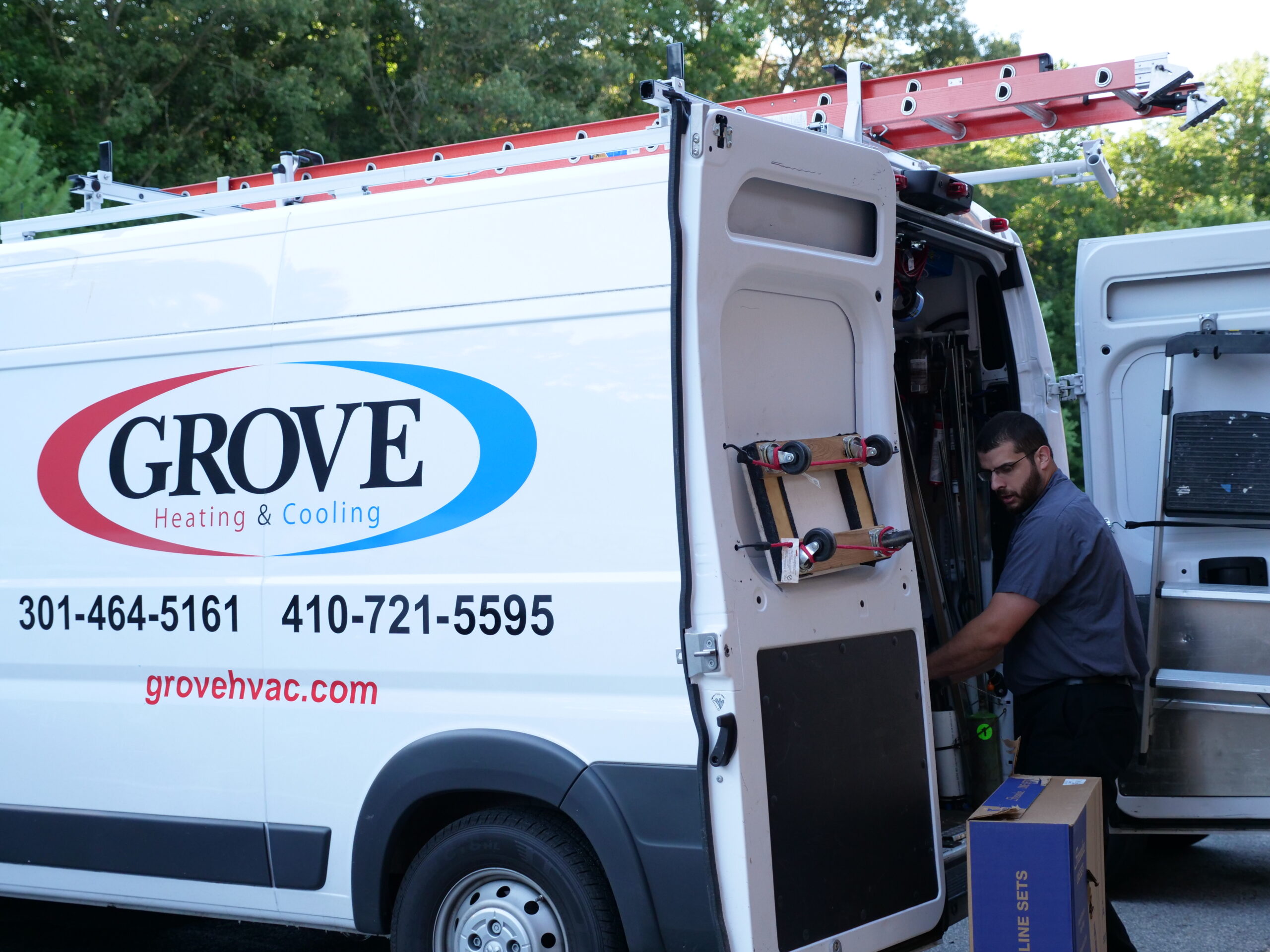
A proper AC installation requires precise planning, specialized tools, and expert knowledge of electrical, refrigerant, and airflow systems. Here’s what’s involved in getting the job done right:
Before installation even begins, selecting the right air conditioner for your home is critical. An AC unit that’s too small won’t effectively cool your space, while one that’s too large will cycle on and off too frequently, leading to higher energy bills and wear on the system. A professional load calculation considers your home’s size, insulation, windows, and other factors to determine the correct unit size and efficiency rating.
Once the system is selected, the installation site must be prepared. This includes:
AC units require a dedicated electrical circuit with the correct voltage, amperage, and breaker size. Improper wiring can result in power failures, system malfunctions, or even fire hazards. A licensed professional ensures that all wiring complies with local electrical codes, preventing dangerous mistakes.
Refrigerant is what allows your AC to cool your home, and handling it requires specialized training and EPA certification. The refrigerant lines must be properly cut, sealed, and connected to prevent leaks, which can lead to system inefficiency, environmental damage, and health hazards. Improperly charged refrigerant levels can also cause the system to freeze up or fail prematurely.
A modern thermostat ensures that your AC operates efficiently and maintains a comfortable temperature. Whether it’s a basic programmable thermostat or a smart model, it needs to be wired correctly and synced with the HVAC system for proper operation.
Once everything is in place, the system needs to be tested thoroughly. This includes:
The risks of DIY air conditioning installation far outweigh any potential savings. HVAC systems are complex, and even small mistakes can lead to serious consequences for homeowners in Arnold, MD.
One of the biggest concerns with a DIY AC installation is safety. AC installation involves handling high-voltage electrical components and pressurized refrigerant, both of which can be dangerous without proper training. A wiring mistake could lead to electrical shocks, system failures, or even fire hazards, while improper refrigerant handling can cause leaks that are harmful to both your health and the environment.
Another major risk is damage to your home and the AC unit itself. Without the right tools and expertise, it’s easy to damage critical components like refrigerant lines, compressors, or ductwork. A minor misstep during installation can cause refrigerant leaks, poor airflow, or an overworked compressor, leading to costly repairs or even complete system failure. A poorly installed unit won’t operate efficiently, which means higher energy bills and an uncomfortable home. A professional installation ensures your AC runs at peak efficiency, saving you money in the long run.
Legal and warranty issues are also major concerns. In Arnold, MD, HVAC installations must meet local building codes and often require permits. A DIY installation may not pass inspection, which could result in fines or the need to pay a professional to fix mistakes. Additionally, most manufacturers void warranties on improperly installed units, leaving you responsible for expensive repairs if something goes wrong.
Beyond technical and legal risks, there’s also the issue of time and frustration. AC installation isn’t a simple weekend project—it requires specialized knowledge, tools, and careful planning. A professional technician can complete the job quickly and correctly, while a DIY attempt could take much longer and still result in problems that need fixing. In the end, cutting corners on installation often leads to higher costs, more stress, and even potential hazards to your home and family.
From handling high-voltage electrical components to ensuring proper refrigerant levels and meeting local building codes, there’s a lot that can go wrong with a DIY air conditioning installation. Instead of gambling with your comfort and safety, trust the experienced technicians at Grove Heating & Cooling to get the job done right.
Our team has the training, certifications, and tools needed to install your air conditioner safely and efficiently, ensuring optimal performance and long-term reliability. We handle every detail, from system selection to final testing, so you can enjoy a stress-free installation and a perfectly cooled home.
Don’t risk costly mistakes—contact Grove Heating & Cooling today for professional air conditioning installation in Arnold, MD, and experience the difference expert service makes!
If you’re considering installing a new AC system yourself to save money, you might want to think twice. While DIY projects can be rewarding, air conditioning installation is not one of them. It requires specialized knowledge, the right tools, and proper licensing to ensure safe and efficient operation.
A single mistake—whether it’s an incorrect refrigerant charge, improper electrical wiring, or poor system sizing—can lead to inefficient cooling, costly repairs, and even dangerous safety hazards. Not to mention, attempting DIY installation could void your manufacturer’s warranty, leaving you responsible for expensive future repairs.
At Grove Heating & Cooling, we’ve seen firsthand the consequences of improperly installed AC systems. Before you take on this complex job yourself, let’s explore the risks of DIY AC installation and why hiring a licensed professional is the smartest choice for Annapolis, MD, homeowners.
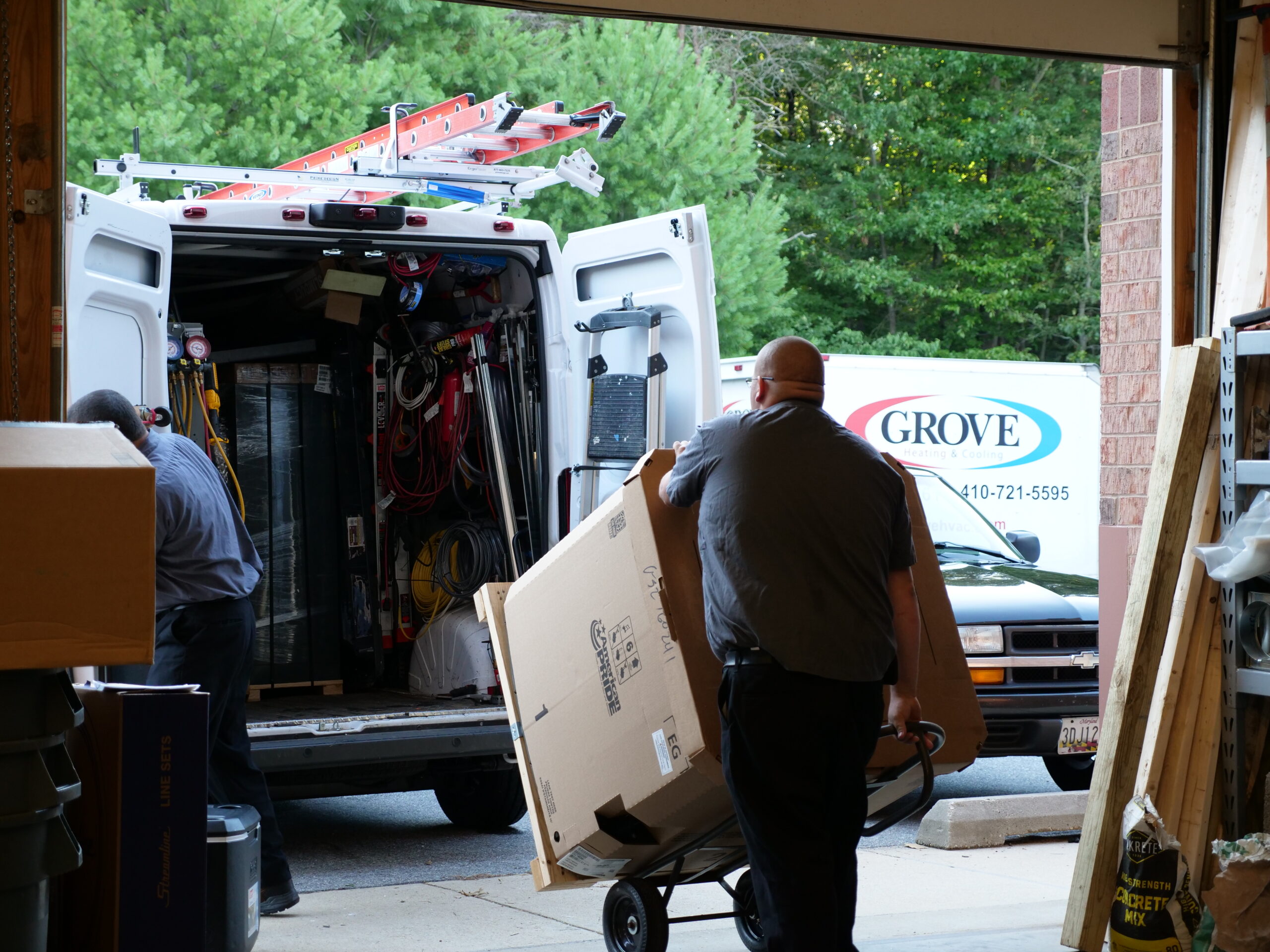
A do-it-yourself air conditioning installation in Annapolis, MD, might sound like a money saver, but the reality is far from ideal. Without the proper training, tools, and licensing, DIY AC installation can lead to costly mistakes, serious safety hazards, and long-term system inefficiencies. Below, we break down the biggest risks homeowners face when attempting to install an AC system themselves.
Air conditioning systems require proper electrical connections, including wiring, circuit breakers, and grounding. If installed incorrectly, you risk electrical shocks, blown fuses, or even a house fire. Faulty wiring can cause short circuits, overheating, and dangerous malfunctions that put your home and family at risk.
Handling refrigerant is complex and must be regulated by the Environmental Protection Agency (EPA). Without proper certification, it’s illegal to purchase and handle refrigerants. A leak from improper installation can cause serious health problems, including dizziness, nausea, and breathing difficulties. Plus, refrigerant leaks harm the environment and reduce your AC’s cooling efficiency.
Choosing the wrong AC unit size is one of the most common DIY mistakes. If the unit is too small, it will struggle to cool your home, running constantly and driving up energy bills. If it’s too large, it will short cycle, leading to uneven temperatures, excessive wear and tear, and a shorter lifespan for the system. Professionals conduct load calculations to get the perfect fit for your home’s cooling needs.
Most AC manufacturers require professional installation to keep warranties valid. If you attempt to install the unit yourself and something goes wrong, you could lose the manufacturer’s warranty, meaning you’ll have to pay out of pocket for any future repairs or replacements. A small installation mistake today could lead to costly consequences down the road.
While you may think you’re saving money by installing an AC yourself, the reality is that DIY installation often leads to more expenses. Mistakes in ductwork, drainage, or system calibration can result in poor performance and higher energy bills. In the worst cases, a botched installation may require a complete system replacement—far outweighing the cost of hiring a professional in the first place.
AC installation isn’t just about connecting a few wires and mounting a unit. It requires specialized tools, including vacuum pumps, refrigerant gauges, and pressure testers. Without these, you can’t properly test for leaks, measure correct refrigerant levels, or verify system performance. A professional HVAC technician has the expertise and equipment to install the system correctly the first time.
Installing a new air conditioner isn’t just about getting cool air flowing—it’s about ensuring safety, efficiency, and long-term performance. While it may be tempting to take the DIY route, the risks of a poorly installed system just aren’t worth it.
At Grove Heating & Cooling, we take the guesswork out of air conditioning installation. Our licensed technicians have the experience and tools to get the job done right the first time, so your home stays cool and comfortable for years to come.
Don’t take chances with your home’s comfort—schedule your professional AC installation in Annapolis, MD, with Grove Heating & Cooling today!
Installing a new air conditioner in your home might seem like a tempting DIY project—especially with so many online tutorials and step-by-step guides available. After all, handling the job yourself could appear to save money upfront, and for seasoned DIYers, the challenge might even sound exciting.
But before you grab your tools and start hooking up a brand-new AC unit, you need to know the risks involved. AC installation isn’t just about setting up a machine—it requires electrical work, proper refrigerant handling, and precise calculations if you want efficiency and longevity. A small mistake during installation can lead to expensive repairs, reduced system performance, and even safety hazards.
This guide will walk you through the complexities of installing an AC system, explain why professional installation is the smarter choice, and help you understand what’s truly at stake when you go the DIY route. By the end, you’ll have a clear picture of the potential risks, hidden costs, and long-term benefits of trusting a licensed HVAC professional like Grove Heating & Cooling with your home’s cooling system.

At first glance, installing an air conditioner might seem like a straightforward task—just place the unit, connect a few wires, and turn it on, right? Not quite. A proper AC installation involves precise calculations, specialized tools, and a deep understanding of HVAC systems to ensure efficiency, safety, and longevity.
Professional HVAC technicians go through extensive training to handle every step of the installation process correctly. Here’s a look at what’s really involved in installing an air conditioner the right way:
Not all air conditioners are created equal, and selecting the right system for your home is more than just picking one off the shelf. Factors like square footage, insulation, and energy efficiency play a critical role in determining the best AC for your needs.
If you choose a unit that’s too small, it will struggle to keep your home cool. If it’s too large, it will cycle on and off frequently, leading to higher energy bills and increased wear and tear. A professional ensures you get a properly sized system that provides optimal comfort and efficiency.
Installing an AC isn’t just a technical process—it also involves following local building codes and regulations. Many municipalities require permits before installation begins, and skipping this step could lead to fines or issues if you ever sell your home. A professional HVAC contractor knows the necessary paperwork to file and will schedule inspections to ensure your installation meets safety and efficiency standards.
Before the actual installation can begin, the area needs to be prepped to accommodate the new system. This may involve assessing existing ductwork for proper airflow, and even upgrading electrical circuits. A professional will evaluate whether your home needs any modifications before installation to prevent future efficiency and performance issues.
An AC system isn’t just another household appliance—it’s a high-powered piece of equipment that requires precise electrical wiring and refrigerant handling. Incorrect electrical connections can lead to system failure or even fire hazards, while improper refrigerant charging can cause inefficient cooling and environmental harm. HVAC professionals are trained and certified to handle refrigerants safely and wire the unit according to manufacturer specifications.
Airflow is one of the most important factors in AC performance. If ducts are leaky, blocked, or improperly sized, your air conditioner won’t be able to distribute cool air evenly. A professional will check for leaks, seal ducts as needed, and balance airflow throughout your home. They’ll also ensure return air vents are correctly placed to maximize efficiency.
The placement and installation of the indoor and outdoor units play a big role in performance and longevity. The outdoor condenser needs to be positioned in a well-ventilated area, away from obstructions, while the indoor components must be properly mounted to avoid excess vibrations and noise. A professional installer will make sure everything is secured in place to prevent operational issues down the road.
Once the system is installed, it needs to be thoroughly tested to ensure it’s running correctly. This includes checking refrigerant levels, verifying airflow, and calibrating the thermostat. Without these final adjustments, your system may not operate at peak efficiency. Professionals follow a detailed checklist to confirm that everything is functioning properly before they consider the job complete.
Attempting a DIY installation can quickly turn into a costly and even dangerous mistake. One wrong move can put your home, your health, and your wallet at serious risk. Before you decide to take matters into your own hands, consider the following safety and legal risks that come with DIY AC installation.
Air conditioners require a dedicated electrical circuit, and improper wiring can lead to serious safety issues, including:
Licensed HVAC professionals follow strict safety protocols to ensure the electrical components are installed correctly, preventing these dangerous outcomes.
Refrigerant is a key part of an AC system, but handling it without the proper certification isn’t just dangerous—it’s illegal. The Environmental Protection Agency (EPA) requires HVAC technicians to be certified to work with refrigerants because:
Without the right training and equipment, you could end up with an improperly charged system, leading to poor performance, inefficiency, and possible system failure.
Most cities have strict building codes that govern HVAC installation. If you install an air conditioner without the proper permits, you might face:
Professional HVAC contractors handle all necessary permits and ensure the installation is up to code, giving you peace of mind that your system is compliant.
Air conditioners come with manufacturer warranties that protect against defects and failures—but most warranties require professional installation. If you install the unit yourself:
Hiring a professional ensures your warranty remains valid and your investment is protected.
Even if your DIY installation appears to work at first, small mistakes can lead to big problems over time, such as:
When installed correctly by a professional, an AC system runs efficiently, lasts longer, and keeps your home consistently cool.
While DIY projects can be rewarding, air conditioning installation is not one to attempt on your own. The risks far outweigh the potential savings, and one mistake could end up costing you far more in repairs, legal fees, and safety concerns.
At Grove Heating & Cooling, our certified professionals ensure your AC is installed safely, correctly, and up to code—protecting your home, your family, and your investment. Don’t gamble with DIY installation—schedule professional AC installation today!
When summer temperatures soar in Bowie, MD, a reliable air conditioning system is a must. But if you’re thinking about installing a new AC unit yourself to save money, think again. DIY air conditioning installation isn’t just complicated—it’s risky. From electrical hazards to refrigerant mishandling, an improper installation can put your home, your safety, and your wallet in jeopardy.
Instead of taking chances, trust the experienced professionals at Grove Heating & Cooling to install your AC the right way—safely, legally, and efficiently.
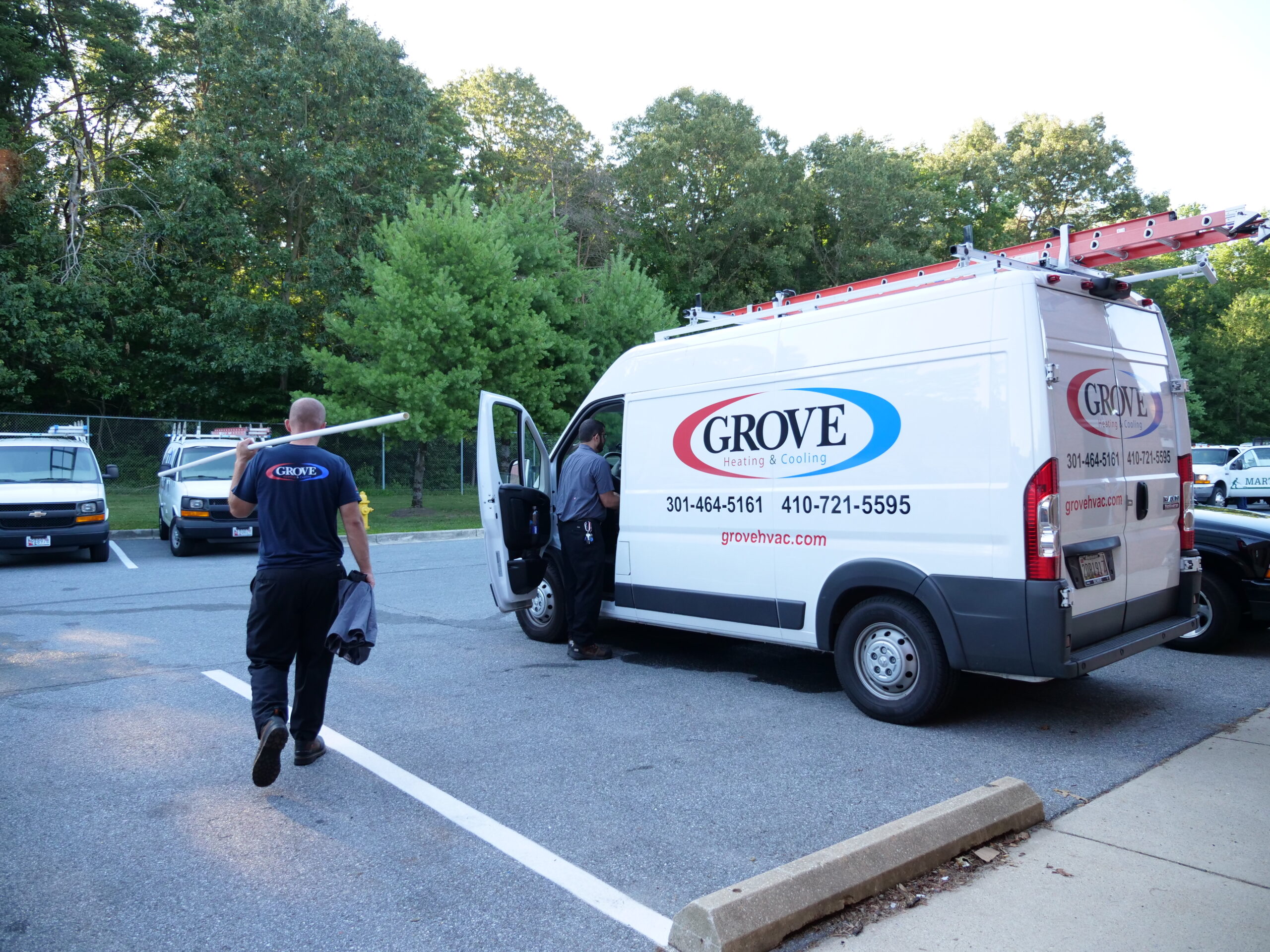
Installing an air conditioner might seem like a way to cut costs, but attempting a DIY installation can lead to serious consequences. From legal troubles to safety hazards, handling an AC unit without the right expertise can cause more harm than good. Here’s what’s at stake when Bowie, MD, homeowners try to install an air conditioner on their own:
Maryland law requires HVAC professionals to hold an HVACR license to install, repair, or replace air conditioning systems. Attempting to install an AC unit yourself without proper certification can result in:
Beyond legal concerns, DIY air conditioning installation comes with serious safety hazards that could put you, your home, and your family at risk.
When it comes to installing an air conditioning system, experience and expertise make all the difference. A professional HVAC technician has the training, tools, and knowledge to install your system correctly the first time, so you can stay cool and comfortable without unnecessary risks. Here’s why hiring a professional is the best decision for your AC installation in Bowie, MD:
While a DIY installation might seem like a money-saver, the risks far outweigh any potential savings. A single mistake can lead to expensive repairs, voided warranties, or even dangerous accidents. Instead of taking the risk, trust Grove Heating & Cooling to handle your air conditioning installation in Bowie, MD—contact us today to get started.
As Annapolis residents know, the city’s diverse climate can be a challenge. From humid summers to chilly winters, homeowners need reliable solutions to maintain comfortable indoor temperatures year-round. A popular question among Annapolis homeowners is whether ductless mini split systems are up to the task.
Here’s the deal: they absolutely are! Grove Heating & Cooling explains how ductless mini splits work, their benefits, and why they’re a fantastic option for homes in Annapolis, MD.
A ductless mini split system is a highly efficient heating and cooling solution that doesn’t rely on ductwork like central air cooling systems and heating units. The system consists of two main components: an outdoor compressor unit and condenser, and one or more indoor units. These components are connected by a small conduit that houses power cables, refrigerant tubing, and a condensate drain.
This streamlined setup allows ductless mini splits to provide both heating and cooling to individual rooms or zones within your home. Annapolis homeowners love them for their versatility and ability to maintain consistent comfort in spaces with unique needs.
Mini split air conditioners and heat pumps are great heating and cooling solutions for the whole home, as well as specific areas like:
Annapolis is known for its historic neighborhoods and older homes, which often lack modern ductwork. Installing ductwork can be invasive and may not be feasible in these properties. Ductless systems are a non-invasive solution that preserves your home’s character while enhancing comfort.
Living by the water is a dream for many Annapolis residents, but waterfront homes often face humidity challenges. Mini splits not only cool your home but also help manage humidity, keeping your space comfortable and reducing wear on your property.
Whether you’re adding a sunroom or renovating a detached garage, mini-splits are ideal for these projects. They allow you to heat or cool the new space without overloading your existing HVAC system.
The Annapolis summers are known for their heat and humidity, with temperatures often soaring into the high 80s or 90s. Mini splits excel in these conditions because they deliver precise cooling. Unlike traditional HVAC systems, which cool the entire house, a ductless air conditioner or heat pump targets specific areas. This zoning capability ensures that your living spaces are comfortable without wasting energy on unoccupied rooms.
While Annapolis winters are milder than in some parts of Maryland, temperatures can still dip below freezing. Many mini split systems are equipped with heat pump technology, making them a reliable source of warmth even in cold weather. Modern mini splits are designed to operate efficiently in temperatures as low as -5°F, so you won’t have to worry about staying cozy on those frosty nights.
At Grove Heating & Cooling, we’ve been helping Annapolis homeowners find the perfect HVAC solutions for years. Our team understands the unique challenges of Maryland’s climate and can recommend a ductless mini split system custom-fit for your home.Our ductless mini split services include:
Ductless mini split systems are an excellent choice for Annapolis homes, offering energy-efficient comfort, zoning flexibility, and improved air quality. Whether you live in a historic property or a waterfront home, mini splits can meet your heating and cooling needs with ease.Ready to experience the benefits of a ductless mini split system? Contact Grove Heating & Cooling today to schedule a consultation. Let us help you achieve year-round comfort in your Annapolis home!
If you’re a Bowie, MD, homeowner exploring efficient heating and cooling options, you may have heard about ductless mini splits. These versatile HVAC systems are gaining popularity for their ability to provide year-round comfort. But are they right for your home? Grove Heating & Cooling shares how mini split systems work and why they’re an excellent choice for Bowie’s climate and housing styles.
Ductless mini splits are a heating and cooling solution that doesn’t rely on traditional ductwork. Instead, they consist of two main components:
This setup allows ductless mini splits to cool or heat specific zones in your home efficiently. You can enjoy different temperatures in individual rooms for tailored comfort without the need to install ductwork or the energy losses associated with duct systems.
A ductless air conditioner provides cooling only, while a ductless heat pump can provide heating and cooling. Mini split air conditioners are a perfect system for cooling needs in areas that are used seasonally, while ductless heat pumps are a better solution for year-round comfort control.
Bowie, MD, has a humid subtropical climate, which means hot, humid summers and chilly winters. Ductless mini splits are perfectly suited to this environment. Here’s why:
Ductless mini splits aren’t just about comfort—they’re also a smart investment for your home. Here are the top benefits:
Traditional HVAC systems can lose up to 30% of energy through ductwork leaks. Ductless systems eliminate this problem, delivering air directly to your space. With variable-speed compressors, they adjust output to match your needs, reducing energy waste and saving you money on utility bills.
With a ductless mini split, you can create separate temperature zones in different rooms. Whether you want a cooler bedroom for sleeping or a warmer living area, each zone can be customized. This is especially beneficial for Bowie’s split-level or older homes, where uneven heating and cooling can be a challenge.
Unlike traditional HVAC systems that require extensive ductwork, ductless systems are compact and easy to install. Their design makes them ideal for Bowie homes with unique architectural features, like older properties or those with limited attic or basement space.
Noise can be a nuisance, especially if you’re working from home or trying to relax. Ductless mini splits are known for their quiet operation, ensuring you stay comfortable without the disruptive hum of traditional systems.
You might be wondering how ductless mini splits stack up against traditional central HVAC systems. While both options have their merits, ductless systems shine in the following ways:
Central HVAC systems might still be a better choice for larger homes with existing ductwork. However, for targeted comfort and energy efficiency, ductless mini splits are hard to beat.
Some homeowners hesitate to consider ductless systems due to misconceptions. Let’s clear up a few:
While ductless systems are great for single rooms, they can also be scaled to cool and heat entire homes. One outdoor unit can support multiple indoor units and the system can be designed to heat and cool multiple rooms.
While the upfront cost may be higher, the energy savings over time often make up for the initial investment. Installation costs range depending on various factors, like the number of zones your system will serve and the efficiency level of the equipment.
Modern ductless systems are engineered to perform efficiently, even in Bowie’s colder months. This efficiency helps to lower your energy bills throughout the year.
If you’re ready to experience the benefits of a ductless mini split in your Bowie home, Grove Heating & Cooling is here to help. From consultation to installation, we’ll guide you every step of the way. Contact us today to schedule your appointment and enjoy year-round comfort and energy savings!
If you’re considering installing a ductless mini split system in Annapolis, MD, you might wonder whether you need a licensed professional to do so. The straightforward answer is yes—both the state of Maryland and Anne Arundel County have specific licensing requirements that must be met for HVACR (Heating, Ventilation, Air Conditioning, and Refrigeration) contractors.
Grove Heating & Cooling breaks down the licensing requirements for ductless mini split installation in Annapolis, MD, and discusses the importance of hiring a licensed professional.
Before diving into the licensing requirements to install a mini split AC system, let’s talk about why you should consider installing one in the first place. Ductless mini splits offer numerous advantages that make them an excellent choice for heating and cooling your home:
Ductless mini splits offer the versatility of both heating and cooling options, making them an ideal choice for year-round comfort. A mini split AC system is designed solely for air conditioning, but a ductless heat pump is able to provide heating and cooling. This dual functionality allows homeowners to enjoy efficient heating in the winter months and effective cooling during the summer, all from a single system.
One of the most significant benefits of ductless mini splits is their energy efficiency. Because they don’t rely on ductwork, ductless systems eliminate energy losses that typically occur in ducted systems, where up to 30% of air can be lost due to leaks or poor insulation.
Multi head mini split systems allow for individual temperature control in different areas of your home. A mini split head can be installed in multiple rooms. This zoning capability means you can keep certain rooms colder or warmer, depending on your family’s preferences, which is particularly useful in larger homes or multi-story residences. Unlike with central heating or air conditioner systems, you can heat or cool more than one room to unique settings simultaneously.
Compared to traditional HVAC systems that require extensive ductwork, ductless mini splits are easier and quicker to install. They only require a small line set hole in the wall to run refrigerant lines and electrical conduit connecting the indoor and outdoor units, making the installation process less invasive and less time-consuming.
Without ducts, ductless mini splits eliminate the common issue of dust and allergens circulating throughout your home. Many systems also come equipped with advanced filtration systems that help improve indoor air quality.
Though they have indoor units installed directly within your living areas, ductless systems are sleek and unobtrusive, offering a modern aesthetic that can blend seamlessly into your home. With various indoor unit designs available that can be installed high on a wall or set in the ceiling, you can choose options that match your interior décor.
When it comes to adding a mini split system to your home, understanding the licensing requirements is essential for ensuring a safe and compliant ductless mini split installation in Annapolis, MD.
In Maryland, the installation of HVAC systems, including ductless mini split installation, requires an HVACR license. This state-level license ensures that technicians have undergone the necessary training and education to handle the complexities of HVAC systems safely and effectively. To obtain this license, technicians must demonstrate a solid understanding of HVAC principles, adhere to safety standards, and complete a set number of hours in a hands-on environment.
Beyond state requirements, Anne Arundel County mandates its own HVACR license. This local license serves to further ensure that technicians are familiar with regional building codes and regulations. These codes may differ slightly from state guidelines and are designed to maintain safety and efficiency in installations.
By requiring both state and county licenses, Maryland ensures that HVAC professionals are adequately trained to install systems that will perform well and last for years to come.
In addition to state and county HVACR licenses, technicians in Maryland must also obtain EPA certification to handle refrigerants, which are used in mini split systems. This verifies that HVAC professionals are trained in the safe and proper handling of refrigerants, which can be harmful to the environment if released into the atmosphere. Technicians must pass an exam that covers various topics, including refrigerant recovery, recycling, and safe disposal practices.
While it might be tempting to attempt a DIY installation to save on costs, there are several reasons to hire a licensed professional for your ductless mini split installation:
If you’re considering a ductless mini split installation in Annapolis, MD, it’s important to hire a licensed HVAC professional. With both state and county regulations requiring specific licenses, choosing a licensed technician ensures that your installation is safe, efficient, and compliant with all local codes.
Not only does this protect your investment, but it also provides peace of mind knowing that your home will benefit from the energy efficiency and comfort that ductless mini splits offer. So, when it comes to installing your new system, always prioritize professionalism and compliance—your comfort and safety depend on it!
When it comes to ductless mini split installation in Annapolis, MD, trusting a licensed professional is the best choice you can make. At Grove Heating & Cooling, we pride ourselves on holding all necessary state and county licenses, as well as EPA certification for handling refrigerants. Our experienced technicians possess the knowledge and expertise to ensure your ductless mini split system is installed safely and efficiently, providing you with year-round comfort and peace of mind.
Whether you’re looking for cooling, heating, or both, our team is ready to help you navigate your options and deliver exceptional service tailored to your home’s needs. Contact us today to learn more about our ductless mini split installation services and how we can enhance your indoor climate!
When it comes to home heating, few things are as important as your furnace. It keeps your family comfortable during the cold months and ensures your home stays warm and cozy. But if your furnace starts acting up or isn’t running as efficiently as it should, you might find yourself asking: “Do I need a furnace installation or furnace replacement?”
While these two services might sound similar, they are not exactly the same. Understanding the key differences between furnace installation and replacement can help you make informed decisions for your home and budget.
In many cases, HVAC companies will use “furnace installation” and “furnace replacement” interchangeably. From a technical standpoint, the steps involved in both processes are quite similar: selecting a furnace, connecting it to your home’s ductwork, gas lines (for natural gas furnaces) and electrical system, and testing the system to ensure it’s working properly.
So, why the different terms? The main reason is simply that language evolves, and people use different phrases based on the situation. For instance, if you’ve never had a furnace in your home before, you’re likely to say you’re “installing” one. However, if you’ve had an old unit replaced, you might say you’re “replacing” it, even though the installation process is largely the same.
Furnace installation usually refers to the process of setting up a furnace in a home or building for the first time. This is common for new construction homes, significant renovations, or properties upgrading from older heating systems that didn’t involve a central furnace, such as baseboard heating or space heaters. It could also mean converting from one type of furnace to another, such as from an electric furnace to a natural gas furnace.
When installing a furnace for the first time, the process can be a bit more involved than simply replacing a furnace. Depending on the type of furnace you choose and your home’s infrastructure, the process can involve:
Installing a furnace for the first time brings numerous benefits that can significantly improve your home’s comfort and energy efficiency. A new furnace installation allows you to enjoy consistent warmth throughout your home, providing reliable heating during the coldest months.
Furnace replacement, on the other hand, typically refers to swapping out an existing furnace with a new one. This becomes necessary when your current furnace has reached the end of its lifespan, is no longer efficient, or is requiring frequent repairs. Here’s what happens during furnace replacement:
One of the main benefits of furnace replacement is upgrading to a newer, more energy-efficient furnace. Newer gas furnaces and electric furnaces are designed to be more efficient than models from 10 to 20 years ago. Installing a high-efficiency furnace can lower heating costs and deliver better performance overall.
Now that you know what goes into both furnace installation and replacement, let’s break down the main differences between the two.
When it comes to installing a ductless mini split, hiring a licensed professional isn’t just about meeting legal requirements. It’s about ensuring the best possible outcome for your home. Here’s why:
Whether you need a furnace installation or replacement, having a professional on your side is essential for ensuring the job is done right—DIY furnace installation is never a good choice. Installing or replacing a furnace involves complex work, from safely connecting gas lines or electrical wiring to making sure the system is properly sized for your home’s heating needs.
A professional technician ensures that all components, from ductwork to the thermostat, are installed correctly for maximum efficiency and safety. They’ll also make sure your new furnace complies with local building codes and manufacturer requirements, helping you avoid potential problems down the road. With a trusted expert handling the installation or replacement, you’ll have peace of mind knowing your furnace will operate reliably and efficiently for years to come.
In the world of home heating, the terms “furnace installation” and “furnace replacement” may seem the same, but they do have some key differences. Whether you’re building a new house or upgrading an old system, the steps involved are similar, and the benefits of a new furnace are clear: better energy efficiency, enhanced comfort, and long-term savings.
If you’re considering furnace installation or replacement, Grove Heating & Cooling is here to help. Our team of experienced professionals can guide you through the process, ensuring you choose the right system for your home and get the most out of your new furnace. We also offer furnace maintenance and furnace repair services to support you throughout the life of your new heating system.
Reach out to us today for expert advice and quality service!


2142 Priest Bridge Ct. Suite 6, Crofton, MD 21114
